If your property in Northampton features a sloping garden, banking, or uneven levels, building a retaining wall is often the only way to reclaim usable outdoor space and prevent soil erosion. When considering different options for retaining walls, however, with several construction methods available, homeowners frequently face a tough choice: Rootlok vs Concrete vs Timber Retaining Walls—which one is the right long-term investment? When it comes to making such a choice, considering a Retaining Wall rootlok installation can offer unique benefits.
At AAS Group Construction, we specialize in high-end groundworks and structural landscaping across Northamptonshire. Today, we break down an honest comparison of the most popular ways you can approach your retaining wall options to help you choose the best fit for your property. You can also view our recent engineering and landscaping projects to see our structural work in action.
1. Timber Retaining Walls: The Traditional Budget Option
Using heavy-duty treated railway sleepers or timber posts is a common traditional method for building low to medium-height retaining walls in residential gardens. Timber choices are often among the first retaining wall options considered for homes with rustic designs. Of course, if you’re evaluating Timber, Concrete, or Rootlok, each type of wall—including the advanced Retaining Wall rootlok solution—will yield distinct outcomes for your space.
The Pros: Lower initial material cost and a warm, natural wood look that fits well into rustic garden designs.
The Cons: Wood is inherently organic. Despite treatment, constant contact with damp soil means timber will eventually rot, warp, or bow under earth pressure, usually requiring replacement after 10 to 15 years.
2. Concrete & Masonry Walls: The Heavy Industrial Standard
Constructed using concrete blocks, engineering bricks, or poured concrete, these masonry walls are built to last for decades. When weighing concrete against other retaining wall options, durability is its main advantage. However, when evaluating all choices, the Retaining Wall rootlok method offers a markedly different set of benefits.
The Pros: Extreme structural rigidity and massive weight capacity, making them ideal for holding back large volumes of heavy earth.
The Cons: They look harsh, grey, and industrial in a residential garden unless rendered or faced with stone. Furthermore, they are rigid and prone to cracking if ground movement occurs, and they require complex, expensive sub-surface drainage systems to prevent water pressure build-up.
3. Rootlok Vegetated Retaining Wall: The Modern Eco-Engineering Choice
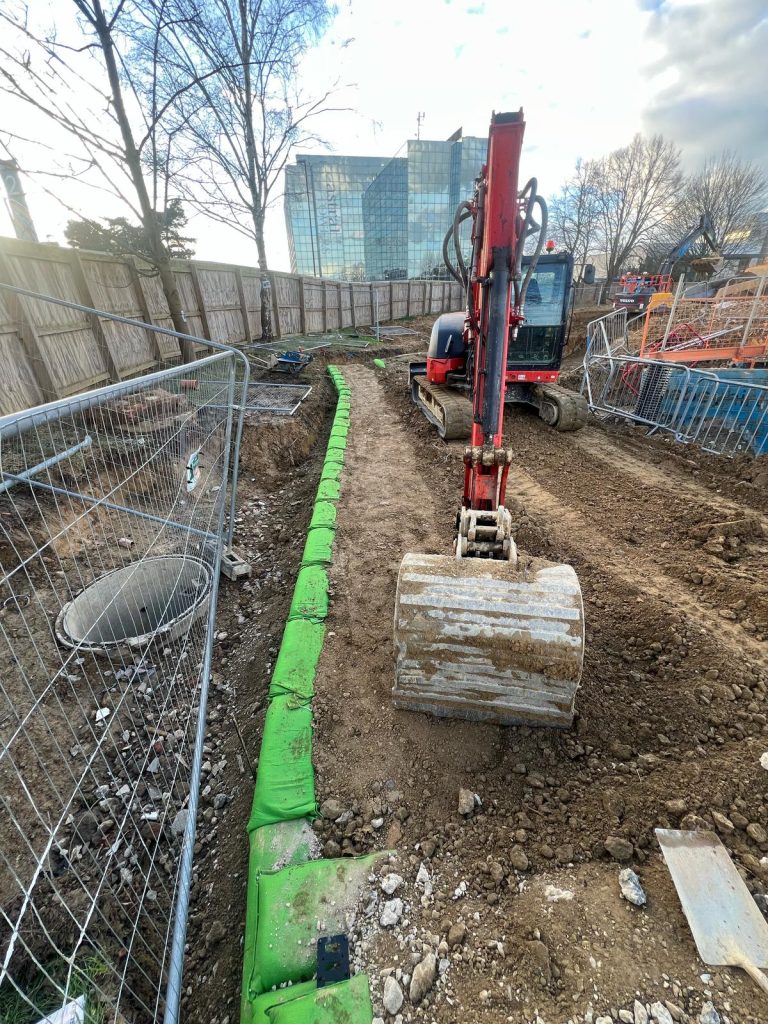
Rootlok is an advanced, engineered soil-retention system built using high-strength geotextile bags locked together, which are then seeded or planted to grow natural vegetation. Out of all the retaining wall options, Rootlok stands out for its eco-friendly benefits—Retaining Wall rootlok solutions create a green, living landscape rarely matched by other systems.
The Pros:
- Living Green Finish: Blends completely into your garden landscape with grass or shrubs, eliminating ugly grey concrete.
- Superior Drainage: Being fully permeable, it completely eliminates dangerous hydrostatic water pressure behind the wall.
- Exceptional Flexibility & Strength: Adapts to curves and complex ground contours while offering civil-engineering-grade stability.
The Cons: Requires professional installation and specialized groundworks expertise to ensure correct structural alignment.
The Verdict: Which Retaining Wall Should You Choose?
When comparing your retaining wall options, the right choice depends on your property’s needs: Review not only aesthetics and cost but consider if a Retaining Wall rootlok style would serve your garden best in the long term.
- Choose **Timber** if you are on a strict short-term budget and don’t mind future maintenance.
- Choose **Concrete/Masonry** if you want an absolute high-load industrial boundary and plan to render or face it with stone.
- Choose **Rootlok** if you want a modern, eco-friendly, highly engineered wall that looks like a natural, living garden slope while providing decades of reliable strength.
The Secret to Longevity: Professional Groundworks for Rootlok wall
No matter which retaining wall system you choose, structural failure almost always comes down to poor foundations and incorrect drainage. For structural integrity and for long-lasting performance, ask your contractor about their experience with Retaining Wall rootlok builds before starting your project.
Before beginning any major earth retention project, it is essential to ensure compliance with local building standards. You can review the UK Government building control approved documents regarding structural safety and retaining structures.
At AAS Group Construction, we combine civil engineering expertise with certified installation practices. We handle everything from deep excavations and stable sub-bases to precise construction for all types of retaining wall options, including complex Retaining Wall rootlok solutions for modern gardens.
Ready to build a secure, long-lasting retaining wall? Contact AAS Group Construction today for a free expert site assessment:
07777792227 or get in touch online!